About Dr. Kern
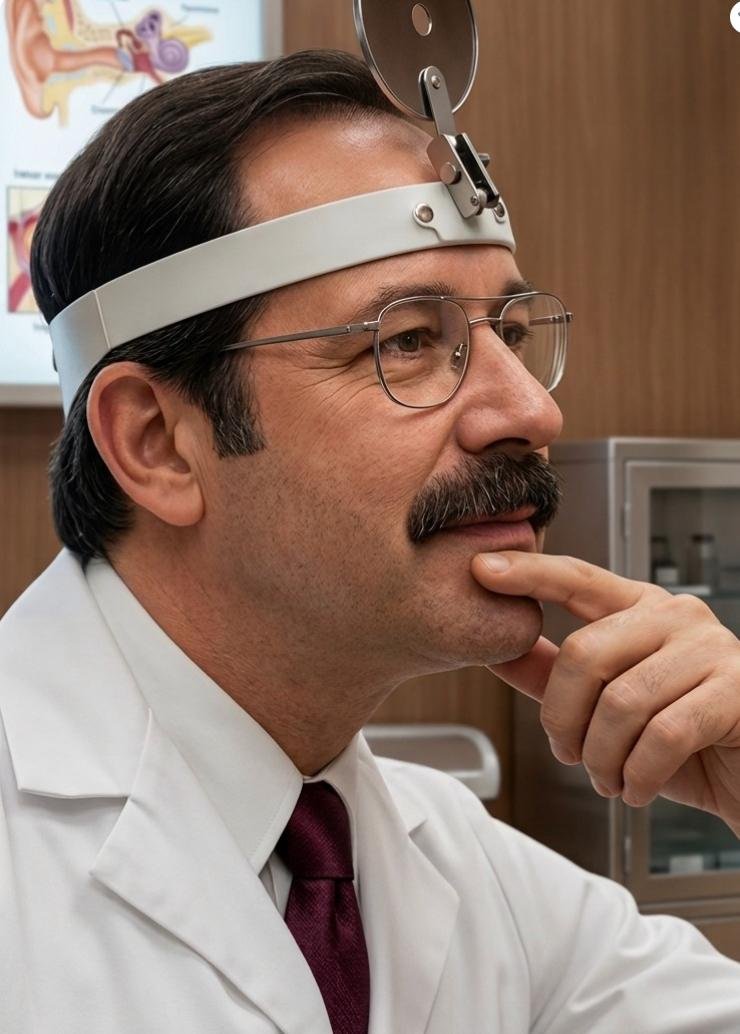
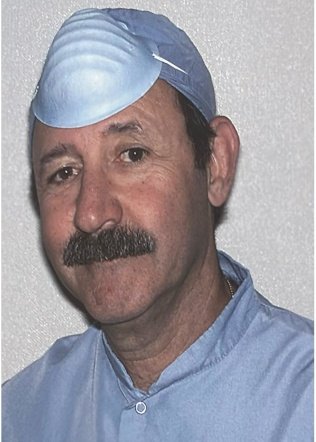
Eugene B. Kern, MD, MS is Professor Emeritus of Otorhinolaryngology (ENT) at Mayo Clinic in Rochester, Minnesota and Clinical Professor of Otolaryngology at the State University of New York at Buffalo. During more than five decades in academic medicine I authored over 200 scientific publications and six textbooks, performed more than 10,000 major surgical procedures, including over 1,000 trans-nasal pituitary operations in cooperation with neurosurgeon Edward R. Laws, Jr., MD.
“The best surgery begins with understanding normal function.” EBK
Throughout my career I emphasized that successful nasal surgery depends on preserving physiologic function as much as correcting anatomy. My recent work focuses on the relationship between nasal anatomy, sensory physiology and the conscious perception of the sense of breathing. I directed the Mayo Clinic Rhinology Laboratory, where, over the years, 31 physician-scientists from around the world advanced modern concepts of nasal physiology and surgery.
Professional Timeline
- Muhlenberg College, Allentown, Pennsylvania, graduated 1959
- Temple University School of Medicine, graduated 1963
- Mayo Clinic Otorhinolaryngology Head and Neck Surgery (ENT) residency, graduated 1968
- Air Force service, rank of Major, Department Chief, Viet Nam era, 1968-1970
- Mayo Clinic Rochester, Minnesota Senior Surgeon 1970-2003
- Director of Mayo Clinic Rhinology Laboratory 1972-1999
- Full Professor, ENT Surgery Mayo Clinic 1981
- President, American Rhinologic Society 1981-82
- Director of Education, Mayo Clinic Department ENT 1981–1987
- Teacher Hall of Fame, Mayo School of Graduate Medical Education (1991)
- The George M. and Edna B. Endicott Professorship in Medicine Mayo Clinic 1995
- President, International Rhinologic Society 1996-2000
- Temple University School of Medicine Alumni Achievement Award 2008
- Mayo Clinic Distinguished Alumnus Award 2010
- Teacher of the Year, State University of New York (SUNY) at Buffalo, Department of Otolaryngology 2012
- Clinical Professor SUNY at Buffalo 2006-present
- Vice President; Director, Gromo Foundation for Medical Education and Research, Buffalo, NY 2006–present