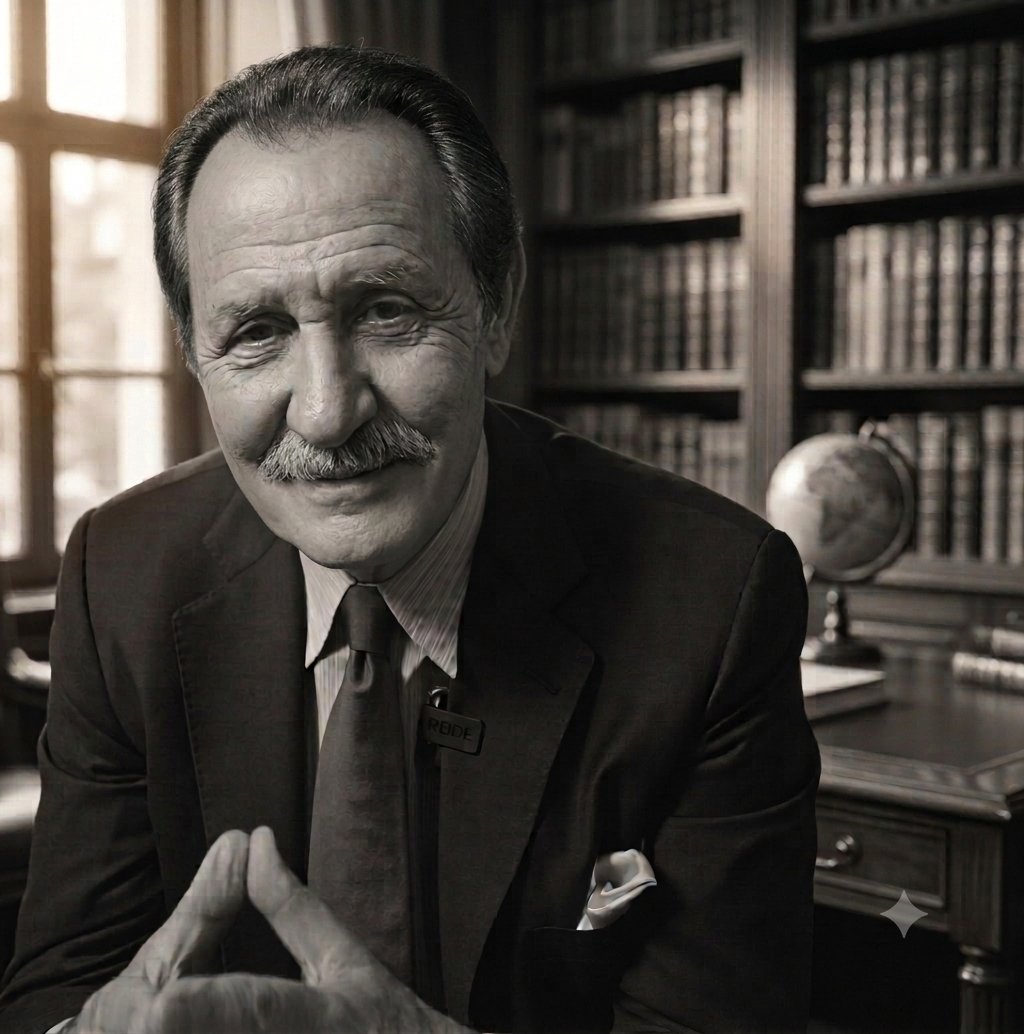
Meditations and Reflections
Some lessons from a lifetime in medicine.
1. Patients Were My Greatest Teachers
Medicine begins with active listening. Every patient has a story.
The greatest compliment is not, “You cured me,” but, “You listened and understood me.”
Technical skill earns respect; compassion earns trust.
2. Surgical Judgment
The best operation is the one you don’t do; the next best is the one in which you do only what is necessary.
Technique can be taught. Restraint is learned through experience.
Whenever possible, preserve what nature has already perfected.
3. Preserve Physiology
The nose is not just an airway to the lungs. It is most assuredly, a sensory organ.
Over time, I came to value preservation of function over enlarging anatomy to improve breathing.
Preserve function. Restore function. Respect physiology.
4. Mentors and Lifelong Learning
No physician succeeds alone.
A debt of gratitude for my teachers, colleagues, residents, trainees, fellows, nurses, and patients.
Curiosity is the beginning of wisdom. When we stop learning, we stop growing.
5. The Future of Rhinology
Sir Karl Popper reminded us that scientific knowledge is always provisional. Medicine, too, represents our best approximation of truth at a particular moment in time. Medicine is never finished.
Advances in neuroscience continue to reshape our understanding of breathing, sensory perception, and the Empty Nose Syndrome.
Progress begins when we question what we think we know.
6. What Matters Most
Publications, lectures, and awards are gratifying, but they are not the measure of a career.
A physician’s legacy lives in patients helped, students who grow into thoughtful physicians, and ideas that endure beyond.
Teaching is a great privilege. I learned much from my students, probably more than they did from me.
After more than sixty years in medicine, I do not feel entitled, but grateful. Every patient, student, colleague, and unanswered puzzling question has been a gift. In the end, contribution is what matters most.
Do the right thing. Give your best every day.
You cannot always control outcomes, but you can always control your effort, integrity, and your character.
Finally, you understand that medicine itself, is about people, gratitude and contribution.
“If these pages help clarify a clinical problem, inspire a better question, prevent an unnecessary operation, or improve even one patient’s life, then this work has been worthwhile and served its original particular purpose.” EBK