Why spend time on this website?
You needn’t spend time on this website unless you are curious about one of the most important changes in our understanding of nasal breathing in recent decades. Recent discoveries recognized by the 2021 Nobel Prize in Physiology or Medicine are changing how we think about nasal physiology, contemporary turbinate surgery, and the Empty Nose Syndrome.
Welcome
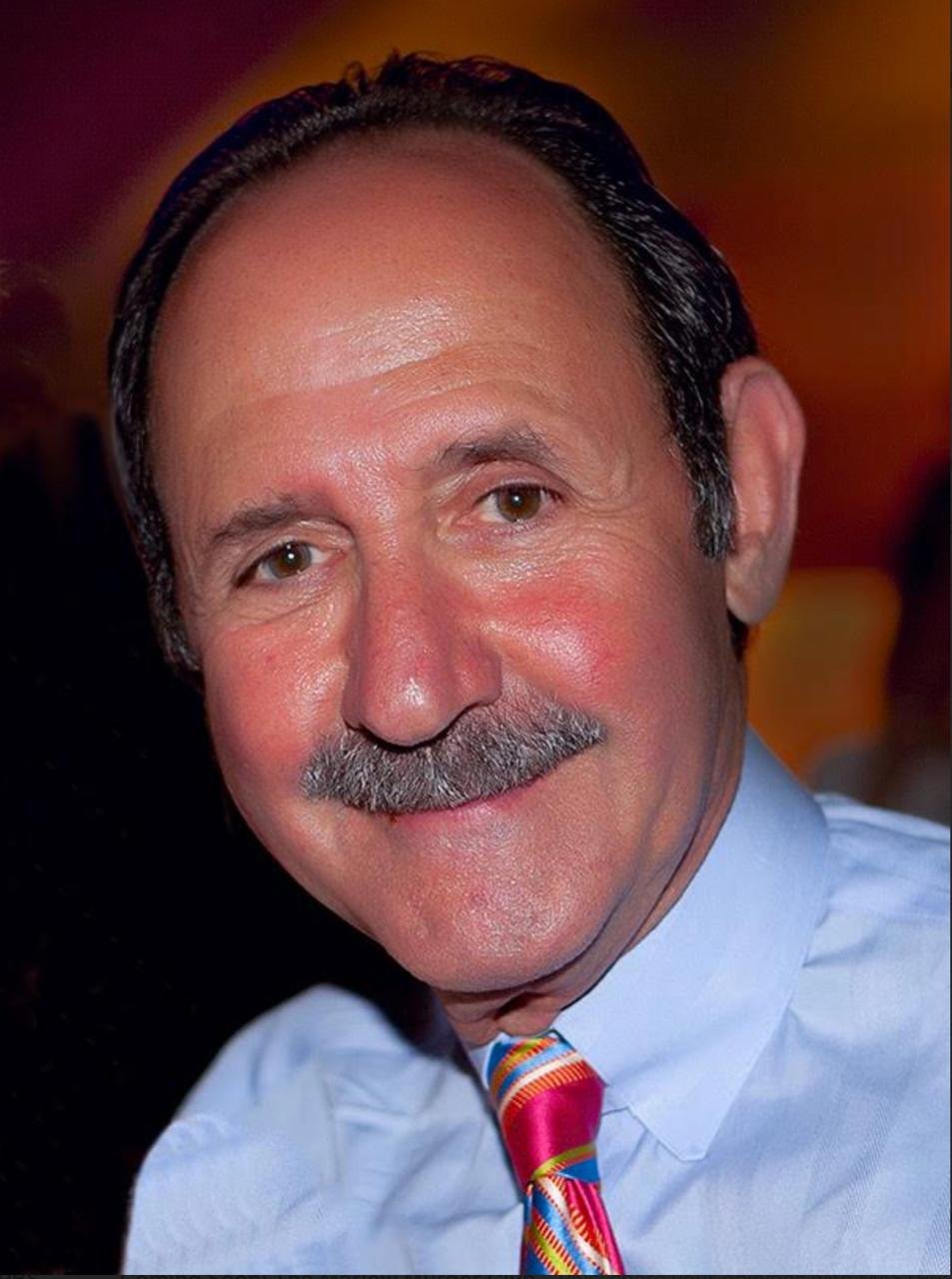
My professional career has been devoted to understanding the anatomy and physiology of nasal breathing and improving the care of patients with nasal disorders. This website shares that work, including research, a 2026 lecture, historical perspectives, and current investigations into the physiology of nasal breathing and the Empty Nose Syndrome.
“The nose is more than a passageway of air to the lungs. It is a sensory organ whose neural signals allow us to perceive the sense of breathing.” EBK
Current Scientific Focus “What I’m working on today.”
1. The Paradox of Patency
Most people assume breathing depends only on how open the nasal airway is. Surprisingly, that is not always true. Some patients have a widely open nose yet feel they cannot breathe, while others with a narrower airway breathe comfortably. This observation suggests that breathing depends on more than anatomy alone.
“The Paradox of Patency describes the seemingly contradictory state in which a patient has a widely patent nasal airway yet experiences difficulty breathing, sometimes even a sense of suffocation.”
2. The Missing Piece: Nasal Sensation
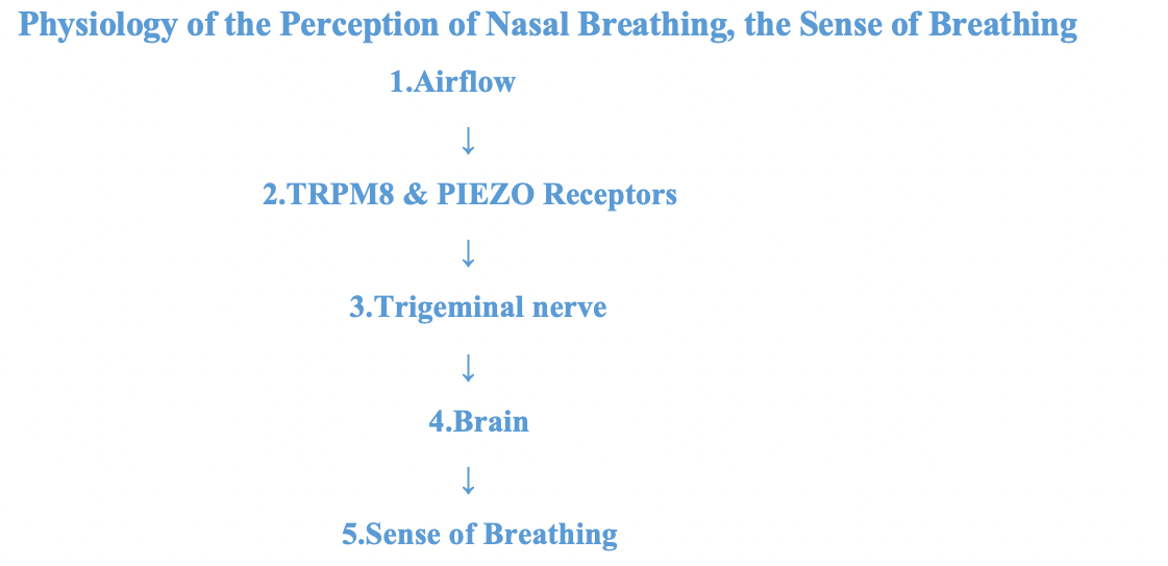
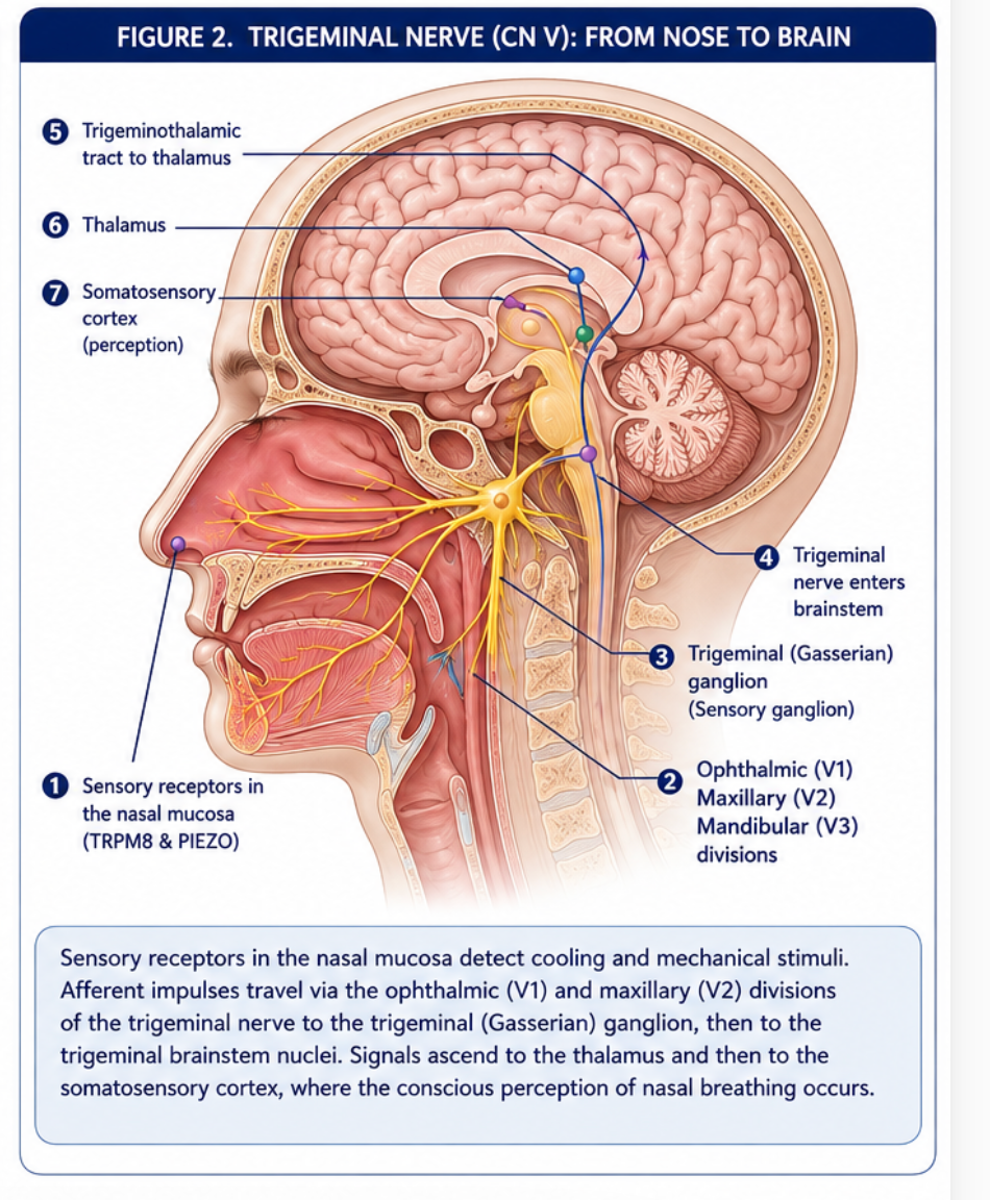
Recent discoveries recognized by the 2021 Nobel Prize in Physiology or Medicine have identified receptors that detect cooling (TRPM8) and mechanical forces (PIEZO). These sensory signals travel through trigeminal pathways to the brain and contribute to our conscious perception, the sense of breathing.
When this sensory pathway is impaired by disease or changed by surgery, patients may experience severe breathing discomfort despite an anatomically widely patent (open) airway, the Paradox of Patency.
3. Empty Nose Syndrome
This concept helps explain Empty Nose Syndrome (ENS), in which patients experience difficulty breathing, dryness, burning, disturbed sleep, and difficulty concentrating even though the nasal passages appear widely open.
4. Implications for Surgery
The goal of modern turbinate surgery is not simply to enlarge the airway. The goal is to preserve normal nasal physiology by protecting the nasal mucosal tissues, blood supply, and sensory receptors that contribute to the normal sense of breathing.
5. Looking Ahead
Future advances may include improved methods to evaluate nasal sensory function, together with nerve regeneration, tissue engineering, and neuromodulation. Our understanding of Empty Nose Syndrome continues to evolve, but one principle has become increasingly clear:
“The perception of nasal breathing is determined by the amount of air that passes through the nose causing receptor activation and how the brain senses that activation producing the sense of breathing.” EBK
Physiology Diagrams
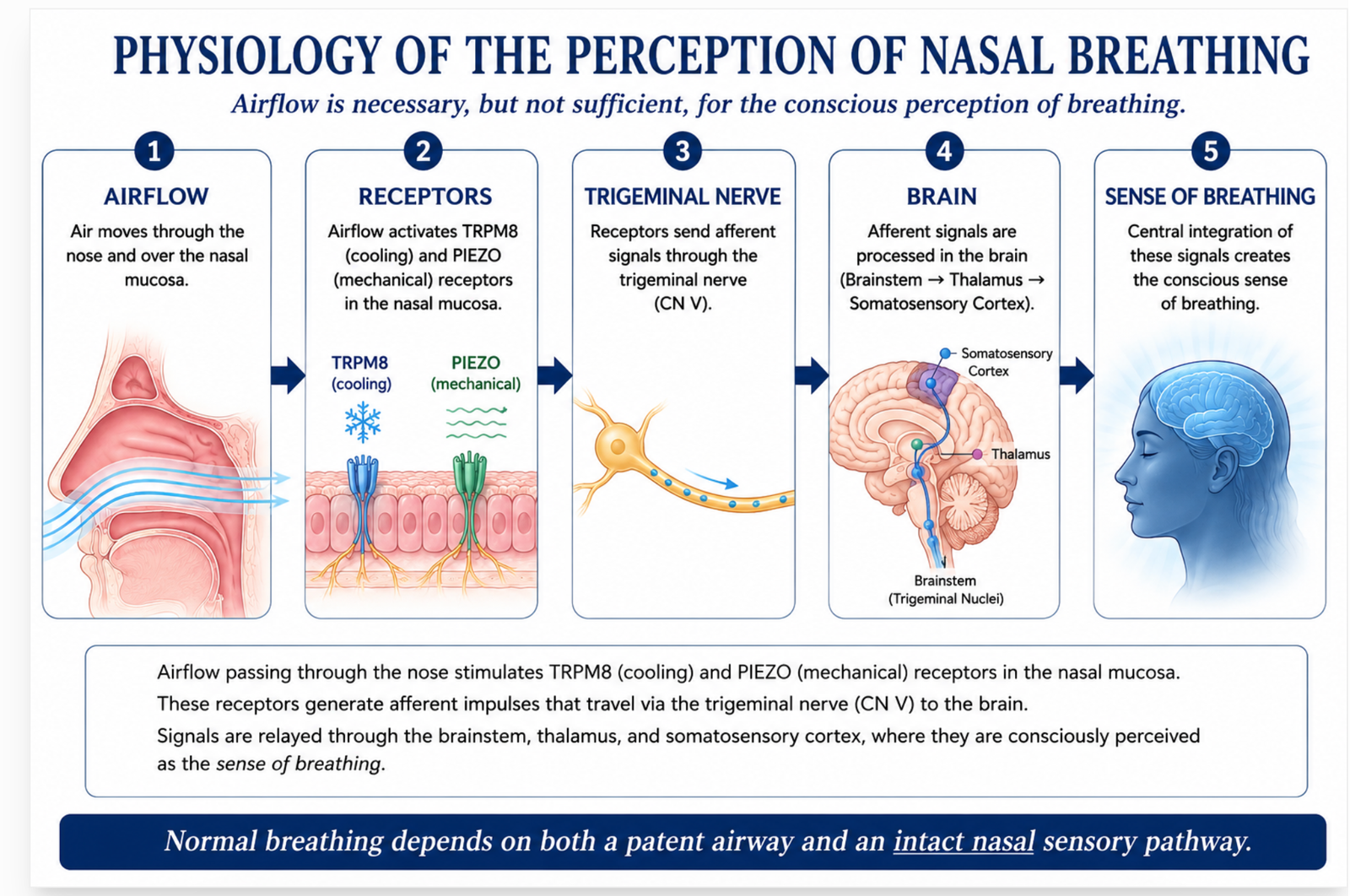
Airflow activates specialized sensory receptors (TRPM8 and PIEZO) within the nasal lining mucosa. These signals travel through the trigeminal nerve (CN V) to the brain, where they create the conscious perception, the sense of breathing.
Airflow → TRPM8 & PIEZO receptor activation → Trigeminal nerve → Brain → Sense of Breathing